

 AZ
AZ 








Vətəndaş elmi göstərir ki, Avropanın dovşanları rəng müxtəlifliyini itirir

Maks Plank Bioloji Kəşfiyyat İnstitutu tərəfindən
redaktə edən: Gaby Clark , rəy verən: Robert Egan
Tercih edilən mənbə kimi əlavə edin
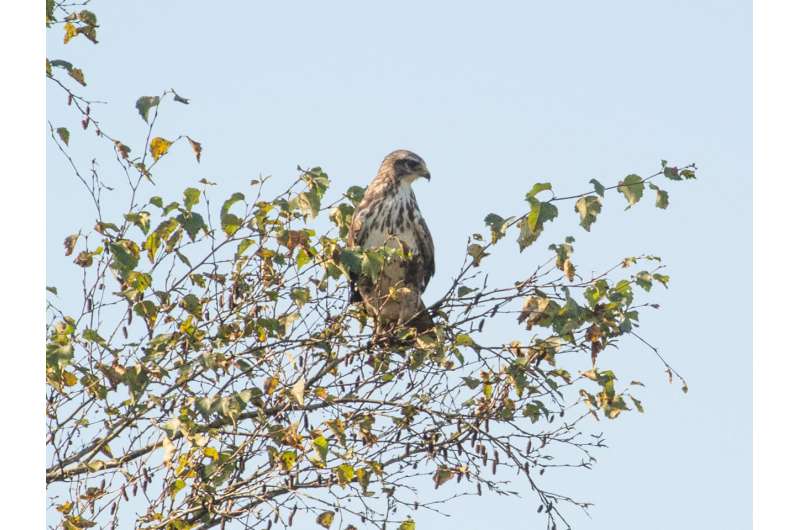
Adi Buzağının lələklərinin rəngi açıqdan tünd rəngə qədər çox müxtəlifdir. Mənbə: MPI for Biological Intelligence / Kaspar Delhey
Adından da göründüyü kimi, adi sırtıq quş Avropanın ən tanış yırtıcı quşlarından biridir və tez-tez hasar dirəklərində oturub siçan və qurd axtarır və ya cütləşmək üçün tarlalarda möhtəşəm dalışlar edir. Fransız dilində bu, eyni dərəcədə aşkar bir adla da tanınır: buse dəyişəni və ya bəzi fərdlərin fərqli növlərlə səhv salındığı qədər müxtəlif lələklərdən ilhamlanan “dəyişkən sırtıq”. İllərdir ki, Avropadakı təbiət həvəskarları sırtıq quşların müşahidələrini internetdə qeyd edirlər və bu qeydlər indi Maks Plank Bioloji Kəşfiyyat İnstitutunun alimlərinə və onların beynəlxalq əməkdaşlarına sırtıq quşların rənginin ilk qitə miqyaslı mənzərəsini yaratmağa və onun necə dəyişdiyini xəritələşdirməyə imkan verib.
Rəngli həyat
Heyvanlar aləmində rəng kamuflyajdan termorequlyasiyaya və görüşməyə qədər bir çox məqsədə xidmət edir və hətta tək bir növ daxilində belə fərqlər tüklərdən daha dərin ola bilər. Bəzi ekoloji nəzəriyyələr, məsələn, meşələrdə kamuflyaj üçün və soyuq bölgələrdə günəş istiliyini udmaq üçün daha tünd rəngli quşlar kimi fərqli rəng nümunələrini proqnozlaşdırır. Bu qaydalar quşlar arasında geniş şəkildə qüvvədədir, lakin onların qılıncların rəng dəyişikliyini də izah edib-etmədikləri məlum deyil.
“Ibis—The International Journal of Avian Science” jurnalında dərc olunmuş tapıntılar göstərir ki, açıq rəngli quşlar Şimali və Mərkəzi Avropada, tünd rəngli quşlar isə Bretan və İberiyada daha çox rast gəlinir. Aralıq rəngli quşlar – nə xüsusilə tünd, nə də açıq rəngli – ən çox cənub-şərqi Avropada və Britaniya adalarında rast gəlinir ki, bu da yalnız öyrənilən ətraf mühit amilləri ilə zəif əlaqəli olan coğrafi mozaikadır.Populyasiyadan təxminən 100.000 müşahidəni özündə birləşdirən məlumat dəsti, Avropadakı adi sərkəsin tünd, açıq və ya orta lələk rəngindəki coğrafi dəyişikliyi göstərir. Mənbə: MPI for Biological Intelligence / Kaspar Delhey
“Strikingly, the ecological theories we tested explained very little of the color variation in common buzzards. For instance, lighter birds tended to be more dominant in colder regions and not in warmer ones,” said Kaspar Delhey, first author and research fellow at the Max Planck Institute for Biological Intelligence.
“Common buzzard color is strongly inherited, so these patterns could instead reflect how buzzards recolonized Europe after the last Ice Age, or be related to ecological factors not yet identified, or both. As one of Europe’s most widespread and color-variable birds, the buzzard is a powerful model for understanding how such diversity is maintained and lost in wild populations, and observations made by citizen scientists have provided an incredible resource in which to explore these questions.”
Dulling diversity
The work brought together citizen observations from multiple sources, including through a dedicated portal developed by researchers Elena Kappers and Bart Kempenaers in which observers could score buzzard color on a seven-point scale from light to dark. The team also ranked the color of thousands more buzzard photographs contributed by the public to online nature platforms such as iNaturalist, Observation.org and Ornitho.it, assembling a dataset of nearly 100,000 observations stretching back more than two decades to the start of the millennium. The team matched sightings against satellite data on climate, vegetation and soil, and built statistical and spatial models to interpret the results.
Crucially, the approach enabled the researchers to track how coloration is changing over time. Earlier local studies had shown that intermediate-colored buzzards tend to be fitter, surviving better and producing more offspring than birds at either color extreme. Analysis of the Europe-wide data mirrors these findings.
By 2022, intermediate-colored buzzards made up a significantly larger share of Europe’s population than in 2000, while the proportions of dark and light birds shrunk by 22% and 14% respectively—showing that the variety that inspired the bird’s French name has been fading.
“We found some links between environmental changes such as loss of forest cover, but these explained only part of the picture,” said Bart Kempenaers, who heads the Department of Ornithology at the Max Planck Institute for Biological Intelligence.
“If this loss of color diversity also reflects a loss of underlying genetic variation, it could compromise the species’ ability to adapt to future environmental changes. Unraveling the historical, genetic and environmental factors behind the loss of color diversity, and how coloration impacts fitness, must now be a priority—with genomics and museum specimens offering opportunities to explore both the species’ deep history and the genetic consequences of the diversity loss we are seeing today.
“Məni ən çox həyəcanlandıran şey vətəndaş elminin mümkün etdiyi şeylərdir – əks halda əlçatmaz olacaq sualları araşdırmağa imkan verən əla əməkdaşlıq.”
Daha çox məlumat
Kaspar Delhey və digərləri, Yırtıcı quşda rəng dəyişikliyinin məkan-zaman naxışlarının ətraf mühitlə əlaqəsi: Adi çəyirtkə (Buteo buteo), Ibis (2026). DOI: 10.1111/ibi.70041
Əsas anlayışlar
videoçəkilişheyvan davranışıbiocoğrafiyaquşlarornitologiyaBioloji Variasiya, FərdiBioloji Variasiya, Populyasiya
Maks Plank Bioloji Kəşfiyyat İnstitutu tərəfindən təmin edilib